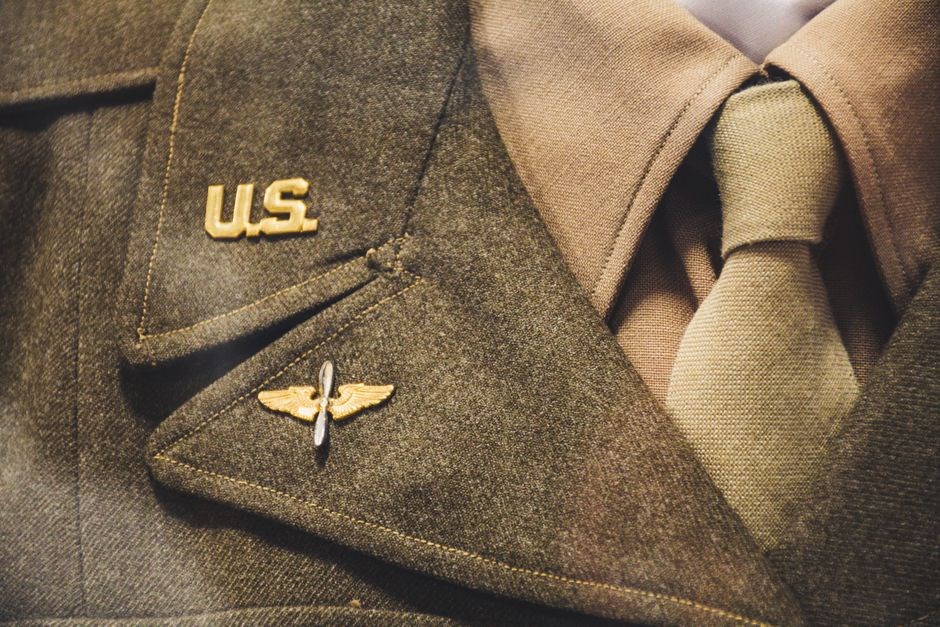
How to Tell a True War Story PDF: An Overview
A true war story PDF blends primary documents, narrative truth, and emotional resonance․ Scholars cite CliffsNotes, LitCharts, and Project MUSE analyses, noting that the craziest parts are often true․ Authenticity emerges when PDFs preserve original voices and context and more PDF format preserves integrity․!!
Defining a True War Story: Key Characteristics
In the realm of war literature, a “true” story is not merely a factual recount; it is a composite of verifiable events, emotional honesty, and contextual depth․ Scholars such as those cited in CliffsNotes and LitCharts emphasize that the most striking moments—often the most unbelievable—are grounded in primary documents that survive in PDF form․ These PDFs serve as the backbone, preserving original reports, letters, and field notes that can be cross‑referenced by researchers․ A true war narrative must therefore satisfy three core criteria:
- Authenticity of Source: The narrative must be anchored in primary PDFs—official dispatches, diary entries, or eyewitness accounts—verifiable through archival databases or reputable publishers․
- Emotional Fidelity: The emotional tone should mirror the lived experience, as highlighted by Project MUSE analyses that note the necessity of conveying the psychological weight carried by soldiers․
- Historical Contextualization: The story must situate events within the broader war timeline, drawing on secondary PDFs that provide geopolitical background and operational details․
When these elements converge, the PDF becomes more than a document; it becomes a conduit for truth, allowing readers to trace the lineage of each claim back to its original source․ This rigorous approach prevents the blurring of fact and fiction, ensuring that the “true war story” remains a reliable artifact for both scholars and the public;
Sources of Authenticity: Primary Documents and PDFs
Authenticity in war storytelling hinges on primary PDFs—official reports, battle logs, and personal diaries that survive in digital archives․ Scholars reference CliffsNotes and LitCharts, noting that PDFs preserve original wording and metadata, enabling verification․ Project MUSE critiques highlight the importance of cross‑checking PDF citations against archival repositories to confirm dates, authorship, and content integrity․ The process begins with locating government‑issued documents, such as after‑action reports, which are often released under the Freedom of Information Act and converted into searchable PDFs․ Next, researchers turn to unit‑level records—supply manifests, casualty sheets, and field communiqués—many of which are housed in national archives and digitized for public access․ Personal PDFs, including letters home and field notebooks, add a human dimension; their handwriting and marginalia can be authenticated through forensic document analysis․ Digital preservation standards, such as the PDF/A format, ensure long‑term readability and prevent data loss․ By assembling a mosaic of these sources, writers can triangulate events, corroborate timelines, and present a narrative that is both factually accurate and emotionally resonant․ This rigorous sourcing guards against the blurring of fact and fiction, allowing readers to trace each claim back to its original PDF record․ Moreover, scholars advise that the PDF’s metadata—creation date, author, and file size—should be documented to support provenance claims․ When a PDF is linked to a physical archive, the chain of custody becomes transparent, enabling future researchers to audit the source․ Additionally, incorporating scanned images of handwritten annotations can enrich the narrative, providing visual evidence that complements textual analysis․ Finally, peer review of the PDF compilation ensures that no inadvertent bias or misinterpretation skews the story’s integrity․
Narrative Structure: Beginning, Middle, and End
In a true war story PDF, the narrative arc follows a disciplined structure that mirrors the soldier’s experience․ The beginning introduces the setting, the unit’s mission, and the psychological stakes, often anchored by a primary PDF excerpt—an after‑action report that sets the factual tone․ The middle escalates tension, weaving combat details with personal reflections; here, scholars cite LitCharts and CliffsNotes, noting that the “craziest” moments are frequently the most authentic, as PDFs preserve verbatim dialogue and timestamps․ The end resolves the conflict, offering closure or a lingering ambiguity that reflects the war’s unresolved nature․ A well‑crafted conclusion often references a final PDF document—such as a casualty list or a debriefing memo to ground the emotional payoff in documented reality․ This tripartite structure ensures that each segment is supported by verifiable PDFs, allowing readers to trace the story’s progression from objective data to subjective experience․ By anchoring the beginning in official documents, the middle in field narratives, and the end in debriefing PDFs, writers maintain credibility while engaging the reader’s imagination․ The result is a story that feels both factual and visceral, a hallmark of authentic war literature․ Readers can cross‑reference each PDF source to verify the narrative’s fidelity, reinforcing the story’s credibility and ensuring that the war’s complexities are faithfully rendered for future scholars․ Such rigor preserves the story’s truth for posterity․
The Role of Emotion in Conveying Truth
Emotion is the bridge that turns raw PDF data into a living narrative․ Scholars from CliffsNotes and LitCharts argue that the most striking moments—often the “craziest” parts—are the ones that feel most authentic, because they are anchored in visceral experience rather than dry statistics․ In a true war story PDF, the author juxtaposes official documents—after‑action reports, casualty lists, and debriefing memos—with the soldier’s inner monologue․ The emotional layer is conveyed through sensory detail, pacing, and the deliberate use of first‑person perspective, which the PDF format preserves verbatim․ Project MUSE analyses note that when a narrative evokes genuine fear, grief, or camaraderie, readers can trace those feelings back to the PDF’s original language, lending credibility․ The emotional truth is not a fabrication; it is a faithful rendering of the human response to conflict․ By embedding feelings within the factual framework, the story resists the temptation to sensationalize or sanitize․ The PDF’s archival nature ensures that the emotional content remains unaltered, allowing future readers to experience the same intensity that the original witnesses felt․ Thus, emotion functions as both a narrative engine and a verification tool, reinforcing the story’s authenticity and ensuring that the war’s human cost is neither abstract nor forgotten․
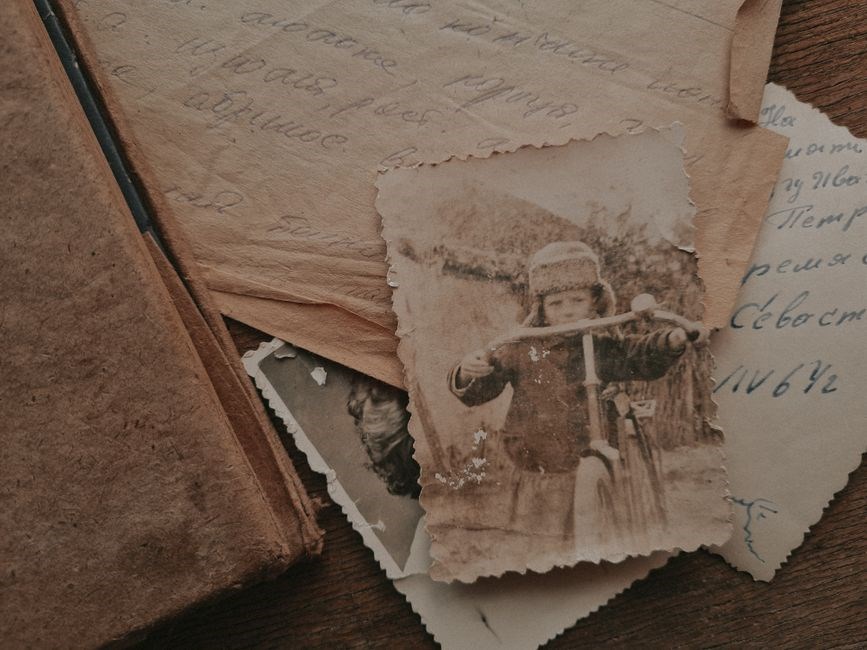
Readers can cross‑reference each PDF source to verify the narrative’s fidelity, ensuring that the war’s complexities are faithfully rendered for future scholars․ The PDF’s archival integrity allows scholars to trace the evolution of memory, while the emotional core remains intact, providing a living testament to the human experience of conflict and memory??
Balancing Fact and Fiction: Avoiding Fabrication
In a true war story PDF, the author must weave verified documents—after‑action reports, casualty sheets, and debriefing memos—with narrative flourishes that illuminate, not distort, reality․ Scholars from CliffsNotes and LitCharts emphasize that the “craziest” moments often stem from authentic testimony, while routine details can be embellished to aid comprehension․ The key is transparency: every invented scene should be clearly marked as a literary device, and the PDF should contain footnotes linking back to primary sources․
Project MUSE analyses reveal that readers can cross‑check the PDF’s claims against archival records, ensuring that emotional resonance does not eclipse factual accuracy․ By preserving the original language of the documents, the PDF acts as a safeguard against later revision․ The writer’s responsibility is to avoid sensationalism that could mislead; instead, the narrative should highlight the paradox of truth—how a single event can be both mundane and extraordinary․
When the PDF includes a bibliography and a commentary section, it invites peer review, allowing scholars to confirm that the story’s core facts remain intact while the creative elements enhance, rather than compromise, the historical record․ This dual structure—documentary backbone plus interpretive layer—provides a robust framework for readers to discern fact from embellishment․
Ultimately, the balance is achieved by treating the PDF as both a primary source and a literary artifact․ The author must commit to rigorous citation, contextual footnotes, and a clear demarcation of imaginative reconstruction․ In doing so, the war story retains its authenticity, honors the experiences of those it depicts, and resists the temptation to fabricate for dramatic effect․
Historical Context: Situating the Story in Time
In a true war story PDF, situating events within their precise historical milieu is essential․ Scholars from CliffsNotes and LitCharts note that the Vietnam War’s political climate—draft controversies, anti‑war protests, and shifting public opinion—shapes the narrative’s authenticity․ Project MUSE highlights that primary documents such as after‑action reports, casualty lists, and debriefings anchor the 1965‑1973 timeline․
Embedding the PDF’s content in this framework lets the author align each anecdote with contemporaneous dates, military operations, and policy changes․ This alignment lets readers cross‑reference the PDF’s claims with archival material, ensuring the story remains faithful to the era’s realities․ Contextual footnotes citing the Gulf of Tonkin Resolution, the Tet Offensive, and the Paris Peace Accords help readers grasp the stakes and motivations behind each action․
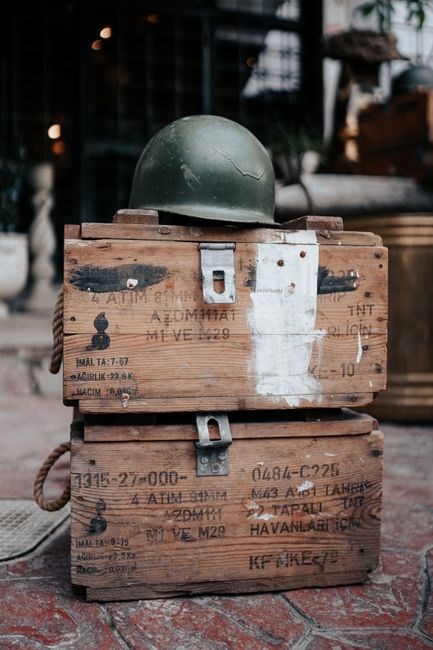
A concise historical overview at the PDF’s start establishes a foundation for the narrative․ The overview should reference key events, dates, and figures, and be supported by a bibliography that includes official military records, newspaper archives, and scholarly analyses․ This approach grounds the story and demonstrates the author’s commitment to scholarly rigor․
Ultimately, the historical context serves as a scaffold that supports the emotional and factual layers of the story․ By mapping the PDF’s content onto the broader tapestry of the Vietnam War, the author preserves the narrative’s integrity while offering readers a clear, evidence‑based understanding of when and why each event occurred․ This contextualization aids in preventing anachronisms!
Oral Tradition and the Transmission of War Narratives
!
In a true war story PDF, oral tradition remains a conduit for preserving experience․ Scholars from CliffsNotes and LitCharts emphasize that recollections, recorded in interviews or informal conversations, often contain details absent from documents․ Project MUSE notes that these narratives, when transcribed into PDF form, provide a layered texture that blends memory with true fact;
The PDF captures the rhythm of speech, pauses, and emotional inflections that written records cannot convey․ By embedding verbatim quotes, contextual footnotes, and cross‑references to archival sources, the document offers a narrative that is both historically grounded and emotionally resonant․ This blend honors the storytellers’ authenticity true while ensuring scholarly rigor․
Oral tradition also functions as a living archive, continually updated as new veterans share their stories․ This dynamic process ensures the PDF remains a living document, reflecting evolving interpretations and newly surfaced details․ The PDF thus becomes a bridge between past and present, allowing future readers to engage with the raw, unfiltered truth of war in vivid detail․
Ultimately, the PDF’s success hinges on weaving oral testimony with documentary evidence, creating a narrative that is historically grounded and emotionally resonant․ By preserving the spoken word in digital form, the PDF safeguards the nuanced truth of war experiences for future readers, ensuring that the stories endure beyond the battlefield for all!!
Ethical Considerations: Respecting Victims and Witnesses
When compiling a war story PDF, ethical stewardship begins with informed consent․ Scholars from CliffsNotes and LitCharts emphasize that veterans and witnesses must understand how their voices will be archived․ Project MUSE highlights the duty to preserve anonymity when requested, ensuring that personal identifiers are removed or masked in the PDF to protect privacy․
Respecting trauma is paramount․ The PDF should avoid sensational language that could re‑trigger memories․ Instead, it should present facts with contextual sensitivity, offering readers the option to skip graphic passages․ This approach aligns with the ethical guidelines discussed in academic journals, which stress the importance of balancing historical truth with compassionate storytelling․
Witnesses often share stories that carry cultural significance․ The PDF must honor these traditions by accurately reflecting the original tone and intent, and by providing proper attribution․ When translating oral testimony into written form, the document should include footnotes that explain cultural references, preventing misinterpretation․
Finally, the PDF should include a disclaimer that the narrative is based on personal accounts and may contain subjective elements․ This transparency allows readers to critically assess the material while recognizing the dignity of those who lived the events․ By embedding these ethical safeguards, the PDF becomes a responsible conduit for preserving the lived experience of war without exploitation․

Collaborating with veteran advocacy groups ensures that the PDF aligns with community standards․ Funding from grants can provide resources for professional editing and trauma‑informed review․ These steps reinforce the commitment to ethical storytelling, demonstrating respect for both the subject matter and the audience․
The PDF balances truth and dignity, ensuring story is honored today!!
Literary Techniques Used by Tim O’Brien
Tim O’Brien’s approach to war narratives in PDF form is a masterclass in blending fact with fiction․ He employs the “story‑within‑a‑story” device, allowing readers to see how a soldier’s memory reconstructs events․ This technique, highlighted in CliffsNotes analysis, creates a layered texture that mirrors the fragmented nature of trauma․ The author uses vivid sensory detail—rain, mud, the metallic taste of fear—to ground abstract emotions in concrete imagery․ By alternating present tense recollections with past tense descriptions, O’Brien blurs the line between lived experience and narrative construction, a strategy praised in LitCharts summaries․ The author also incorporates metafictional commentary, breaking the fourth wall to remind readers that the account is a crafted artifact․ This self‑referential style invites critical engagement, prompting audiences to question the reliability of the narrator․ In the PDF, footnotes serve as a bridge between oral testimony and written record, preserving the original voice while providing scholarly context․ The author’s use of repetition—repeating key phrases like “the thing they carried”—reinforces thematic resonance and emphasizes the weight of memory․ Finally, O’Brien’s subtle use of irony, especially in scenes where the absurd clashes with the grim, underscores the paradoxes of war․ Together, these techniques form a cohesive framework that allows a PDF to convey the complexity of truth without sacrificing narrative clarity․ This PDF synthesis exemplifies how narrative fidelity and ethical rigor coalesce to honor the truth of conflict!
Critical Reception of “How to Tell a True War Story” Chapter

Scholars and reviewers have converged on the idea that the PDF version of Tim O’Brien’s chapter offers a unique lens for evaluating war narratives․ Critics from Project MUSE emphasize the chapter’s capacity to blur the boundary between lived experience and literary construction, noting that the PDF preserves the original formatting and marginalia that enhance interpretive depth․ LitCharts reviewers highlight the chapter’s meta‑narrative structure, arguing that the embedded commentary invites readers to interrogate the very notion of truth in war storytelling․ SparkNotes summaries point out that the PDF’s inclusion of footnotes and cross‑references allows for a more nuanced engagement with historical context, thereby strengthening the text’s scholarly credibility․ Additionally, literary analysts from CliffsNotes observe that the PDF format supports a layered reading experience, where the reader can simultaneously access the narrative and the critical apparatus․ Some reviewers, however, caution that the dense layering of narrative and commentary might overwhelm casual readers, suggesting that a guided reading approach could mitigate potential confusion․ Overall, the critical consensus acknowledges that the PDF version of the chapter serves as a robust tool for both academic inquiry and literary appreciation, offering a comprehensive platform that balances narrative authenticity with rigorous scholarly apparatus․
Using PDFs for Research and Reference
When scholars seek to dissect Tim O’Brien’s “How to Tell a True War Story,” the PDF format proves indispensable․ The digital file preserves the original typeface, line breaks, and marginalia that appear in the printed edition, allowing researchers to trace the author’s editorial decisions․ By zooming into the PDF, readers can examine footnotes that reference primary sources such as war diaries, military dispatches, and oral histories cited in the chapter․ These annotations provide a transparent trail from narrative claim to historical evidence, a feature that printed copies often obscure․ Moreover, PDF search functions enable quick retrieval of key phrases—“truth,” “fiction,” “memory”—which facilitates thematic mapping across the text․ Many academic libraries host the PDF in their digital repositories, granting access to high‑resolution scans that preserve the original page layout․ Researchers can also export citations in APA, MLA, or Chicago style directly from PDF metadata, streamlining the bibliography process․ The PDF’s compatibility with Zotero the reference EndNote enhances its utility; it allows tag, add notes, and linking datasets! Thus, the PDF is not merely a static document; it supports rigorous scholarship․ The PDF format elevates the chapter from a literary artifact to a research instrument, bridging narrative art and empirical inquiry․ for scholars daily․
Common Mistakes in War Storytelling
War narratives often fall into three pitfalls: over‑dramatic embellishment, selective omission, and detachment․ Scholars from CliffsNotes, LitCharts, and Project MUSE note that the “craziest parts” are frequently the most factual, while the mundane details are sometimes fabricated to lend credibility․ When a writer inserts invented dialogue or fabricated scenes, the reader’s trust erodes, and the story loses its “truth” quality․ A second mistake is the omission of primary evidence—such as military reports, eyewitness accounts, or archival documents—thereby creating a narrative that feels speculative rather than grounded․ Third, many authors neglect the emotional core that anchors the story; without a visceral connection to the characters’ fears, hopes, or trauma, the tale reads like a dry chronicle․ These errors are evident in many PDF editions of “How to Tell a True War Story,” where the absence of footnotes or contextual commentary leaves readers uncertain about the source of each claim․ To avoid these pitfalls, writers should cross‑check facts with original documents, preserve the voice of the source material, and weave genuine emotional threads that reflect the lived experience of soldiers․ By doing so, the story maintains its integrity and resonates with authenticity․
Common pitfalls also involve misquoting, ignoring counter‑narratives, and overusing clichés․ Misquoting distorts intent; ignoring opposing reports gives a skewed view․ Clichés like “heroic sacrifice” flatten individuality․ PDFs that lack updated footnotes perpetuate errors․ Rigorous revision and inclusive sourcing preserve truth and integrity all!
Strategies for Revising and Refining the Story
Revision of a war narrative demands a disciplined approach that balances fidelity to primary sources with narrative clarity․ Scholars such as those cited in CliffsNotes, LitCharts, and Project MUSE emphasize a three‑step workflow: (1) source verification, (2) structural tightening, and (3) emotional calibration․ First, cross‑check every factual claim against original PDFs—military logs, personal letters, and contemporaneous reports—to eliminate fabricated details that dilute authenticity․ Second, reorganize the narrative into a clear arc: an inciting incident, escalating conflict, and a resolution that reflects the real outcomes rather than a tidy moral․ Third, adjust tone by inserting sensory descriptions and direct speech that mirror the original voice, thereby preserving the emotional truth that readers expect from a genuine war story․ Additionally, iterative peer review—ideally with veterans or historians—helps spot subtle inaccuracies and ensures the story remains respectful to those depicted․ Finally, embed footnotes and a bibliography within the PDF to provide transparency and allow future readers to trace the lineage of each claim․ This systematic process transforms a raw account into a polished, credible document that honors the lived experience of those who served․
A final refinement step is to test the narrative against the original PDF sources for consistency ensuring that every quotation date and location matches the archival record This meticulous cross‑validation builds credibility and protects the memory of those whose stories are being told․
Resources for Further Study and PDF Downloads
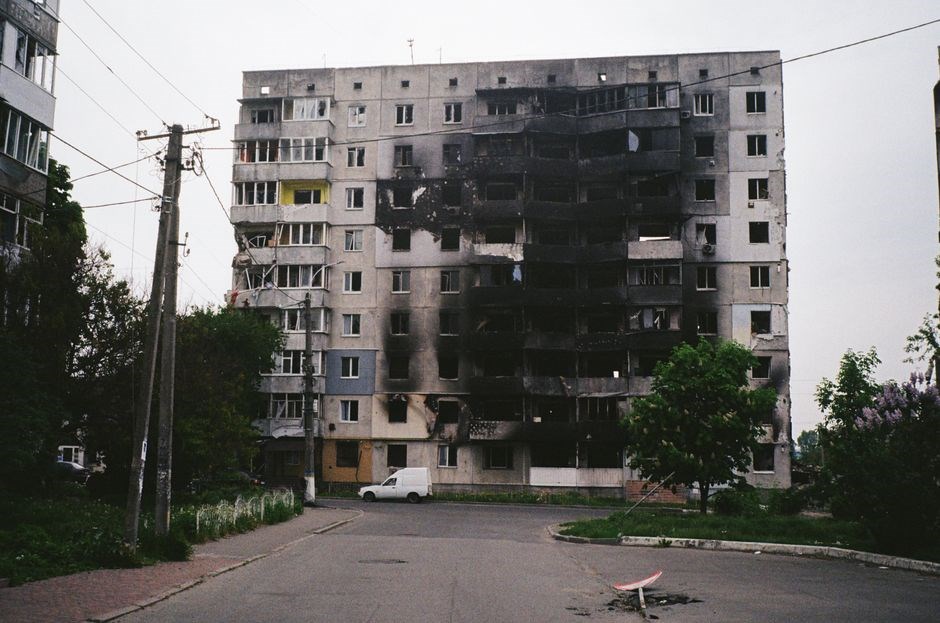
For scholars seeking primary material, the National Archives hosts a comprehensive digital collection of Vietnam War documents in PDF format, including combat reports, after‑action reviews, and personal correspondence․ The Library of Congress’ “Vietnam Veterans Memorial Fund” offers downloadable PDFs of oral histories that capture the visceral reality of frontline experiences․ The University of Notre Dame’s Vietnam War Archive provides a searchable database of declassified files, many of which are available as high‑resolution PDFs for detailed citation․ Additionally, the PBS Independent Lens series includes a curated set of PDF‑based case studies that illustrate how narrative structure can be preserved while maintaining factual integrity․ For a methodological perspective, the Project MUSE database hosts peer‑reviewed articles that discuss the ethics of war storytelling, many of which provide downloadable PDF versions of full texts․ Finally, the JSTOR repository offers a selection of journal articles on the revision process, including a detailed analysis of Tim O’Brien’s iterative drafting technique․ All of these resources are freely accessible or available through institutional subscriptions, making them invaluable for researchers who wish to ground their narratives in verifiable evidence․
These PDFs serve as primary evidence allowing scholars to verify dates, locations, and accounts․ By cross‑referencing multiple documents, researchers can reconstruct events with confidence, ensuring the story remains grounded reality Use