Pumping: A Comprehensive Guide
Pumping encompasses diverse applications – from fluid transfer and breast milk extraction to audio effects and even metaphorical energy boosts.
This guide explores the mechanics, industries, and nuances of pumping, including real estate connections and historical context.
What is Pumping? ー Defining the Core Concept
Pumping, at its essence, signifies the act of moving substances – liquids, gases, or even abstract concepts – from one location to another. This fundamental process underpins countless applications across diverse fields. It’s the operation of a mechanical device, a pump, to impart energy and initiate flow.
Beyond the purely mechanical, pumping extends into biological processes, like using a breast pump for milk extraction, and even creative endeavors, such as manipulating dynamic range in audio. The term also carries a slang connotation, meaning to invigorate or energize – to “pump someone up.”
Essentially, pumping represents a transfer of energy, a deliberate effort to displace something from its original state, whether it’s oil in a pipeline or enthusiasm in a crowd. It’s a ubiquitous action with surprisingly broad implications.
Types of Pumping Operations
Pumping operations broadly categorize into two primary types: liquid and gas. Liquid pumping finds extensive use in industries like oil and gas (secondary oil recovery), water treatment, and chemical processing, relying on principles of fluid dynamics to move substances efficiently. Conversely, gas pumping is crucial for inflating tires, powering pneumatic systems, and various industrial applications.
However, pumping isn’t limited to physical substances. “Pumping” in audio refers to a specific dynamic range manipulation technique. Furthermore, the concept extends metaphorically, describing the act of building excitement or energy – “pumping up” a crowd.
These diverse applications demonstrate the versatility of pumping, showcasing its relevance across engineering, biology, and even colloquial language.

Liquid Pumping: Applications and Principles
Liquid pumping is fundamental to numerous industries. In oil and gas, it’s vital for secondary oil recovery, enhancing extraction efficiency. Water treatment plants rely on liquid pumping for distribution and purification. Chemical processing utilizes it for transferring corrosive or volatile liquids safely and accurately.
The core principle involves creating a pressure difference, forcing the liquid to flow from a low-pressure to a high-pressure zone. This is achieved through various pump designs, each suited for specific viscosity, flow rate, and pressure requirements. Understanding these principles is crucial for selecting the optimal liquid pumping solution.
Efficient liquid pumping minimizes energy consumption and ensures reliable operation.
Gas Pumping: Methods and Uses
Gas pumping differs significantly from liquid pumping due to the compressibility of gases. Common applications include inflating tires – a straightforward example requiring specific pressure control – and compressing air for pneumatic systems. Industrial processes, like natural gas transmission and refrigeration cycles, heavily rely on specialized gas compressors.
Methods vary from positive displacement compressors, ideal for high pressures and lower flow rates, to dynamic compressors (like centrifugal and axial compressors) suited for large volumes at moderate pressures. Selecting the correct method depends on the gas type, desired pressure, and flow rate.
Safety is paramount in gas pumping due to potential hazards.
Pumps: Core Components and Functionality
Pumps, at their core, are devices transferring fluids – liquids or gases – by mechanical action. Essential components include the impeller or piston (the moving element), a casing directing flow, seals preventing leakage, and a power source (motor or engine); Functionality centers on creating a pressure difference, drawing fluid in from an inlet and discharging it through an outlet.
The pump’s design dictates its performance characteristics, like flow rate (volume moved per unit time) and head (the height the fluid can be lifted). Proper component interaction ensures efficient and reliable fluid transfer.
Understanding these core elements is vital for selecting and maintaining pumps.
Pump Types: Centrifugal, Positive Displacement, and More

Centrifugal pumps, utilizing rotating impellers, excel in high-flow, low-pressure applications like water supply. Positive displacement pumps, conversely, deliver a fixed volume per cycle, ideal for viscous fluids or precise dosing – think oil transfer.
Beyond these, rotary pumps (gear, vane, screw) offer consistent flow, while diaphragm pumps handle abrasive or corrosive materials. Submersible pumps operate immersed in the fluid, commonly used in drainage. Specialized types include peristaltic and jet pumps.
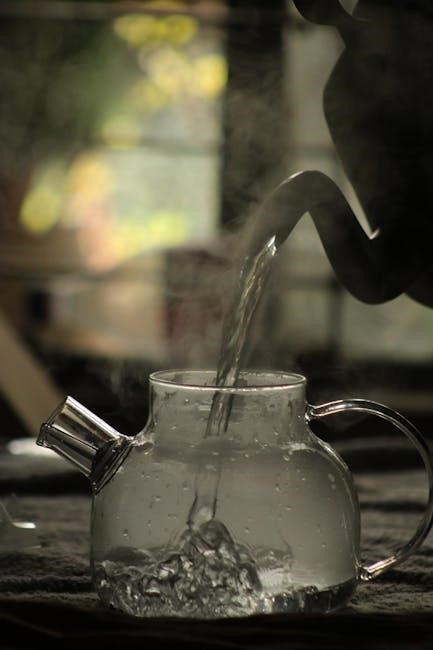
Pump selection hinges on fluid properties, flow requirements, and pressure needs.
The Physics of Pumping: Work and Energy
Pumping fundamentally involves transferring energy to a fluid, enabling its movement against pressure gradients. This energy transfer is quantified as work – force applied over a distance. In typical pumping systems, work is positive, increasing the fluid’s potential and kinetic energy.
However, in scenarios like turbine pumping, the fluid imparts energy to the pump, resulting in negative work. Power, the rate of doing work, is crucial for pump sizing and efficiency calculations. Understanding these principles is vital for optimizing pumping operations.
Positive Work in Pumping Systems
Positive work in pumping signifies energy input to the fluid, increasing its pressure, velocity, or elevation. This is the standard scenario for most pumping applications, where an external force – typically from a motor – drives the pump mechanism. The pump imparts energy onto the fluid, overcoming resistance and facilitating flow.
This energy transfer manifests as an increase in the fluid’s internal energy, enabling it to move from a low-pressure to a high-pressure zone, or to be lifted against gravity. Efficient pumping systems minimize energy losses, maximizing the amount of positive work delivered to the fluid.
Negative Work in Turbine Pumping
Negative work occurs when the fluid itself imparts energy onto the pump, rather than the pump imparting energy onto the fluid. This is characteristic of turbine pumping, where a flowing fluid spins the turbine blades, extracting energy from the flow.
In this scenario, the fluid’s energy decreases as it passes through the turbine, and this extracted energy is converted into mechanical work. This is fundamentally different from standard pumping, where external power drives the process. The turbine effectively ‘resists’ the fluid flow, causing a reduction in its energy and generating negative work.

Pumping in Specific Industries
Pumping plays a critical role across numerous sectors. In the oil and gas industry, pumping is essential for secondary oil recovery, injecting fluids to maintain reservoir pressure and maximize extraction. The medical field utilizes pumping extensively, notably with breast pumping for milk expression, offering flexibility for mothers.
Beyond these, pumping is integral to water treatment, chemical processing, and agriculture. Each industry demands specialized pumping solutions tailored to specific fluid properties and operational requirements. Understanding these diverse applications highlights the broad impact of pumping technology on modern life.
Oil and Gas Industry: Secondary Oil Recovery
Secondary oil recovery relies heavily on pumping techniques to maintain reservoir pressure as natural pressure declines. Waterflooding, a common method, involves injecting water via wells to displace oil towards production wells – a process entirely dependent on robust pumping systems.
Gas injection, another technique, utilizes compressed gases like carbon dioxide or nitrogen, again requiring powerful pumping infrastructure. These methods significantly extend the lifespan of oil fields, increasing overall yield. Efficient pumping is crucial for optimizing injection rates and maximizing oil displacement, directly impacting economic viability.
Medical Applications: Breast Pumping – A Beginner’s Guide
Breast pumping is a vital tool for many new mothers, enabling milk expression for various reasons – returning to work, building a milk supply, or providing nourishment when direct breastfeeding isn’t possible. Beginners should prioritize selecting a comfortable, efficient pump, whether manual or electric.
Proper flange size is critical to prevent discomfort and maximize milk output. Establishing a consistent pumping schedule, mimicking a baby’s feeding pattern, is recommended. Hygiene is paramount; sterilize pumping parts regularly. Storing milk correctly – refrigerated or frozen – ensures its safety and quality for later use.
Audio Pumping: Creative Misuse of Dynamic Range
Audio pumping is a dynamic effect achieved by rhythmically controlling the volume of an audio signal, often synchronized to a beat. This technique creatively “misuses” dynamic range compression, creating a pulsing, breathing sensation. Sidechain compression, triggered by a kick drum or other rhythmic element, is the core mechanism.
The effect is popular in electronic dance music, adding energy and groove. Adjusting compression parameters – threshold, ratio, attack, and release – shapes the pumping intensity. Subtle pumping enhances rhythm, while extreme settings create a pronounced, dramatic effect. Experimentation is key to achieving desired results.
Pumping Equipment: Selection and Maintenance
Selecting the correct pump demands careful consideration of fluid type, flow rate, pressure requirements, and operational environment. Centrifugal, positive displacement, and other pump types each suit specific applications. Material compatibility is crucial to prevent corrosion or contamination.
Regular maintenance is vital for optimal performance and longevity. This includes routine inspections for leaks, bearing lubrication, impeller checks, and seal replacements. Preventative maintenance schedules minimize downtime and costly repairs. Following manufacturer guidelines ensures safe and efficient operation. Proper upkeep extends equipment life and maintains system reliability.
Choosing the Right Pump for Your Needs
Selecting a pump requires a detailed assessment of your specific application. Consider the fluid’s viscosity, chemical composition, and any solids present. Determine the required flow rate – the volume moved per unit time – and the discharge pressure needed to overcome system resistance.
Evaluate pump types: centrifugal pumps excel with low-viscosity fluids, while positive displacement pumps handle viscous fluids and high pressures. Factor in energy efficiency, initial cost, and long-term maintenance expenses. Consulting with a pumping specialist can ensure you choose the most suitable and cost-effective solution for your unique requirements.
Regular Maintenance for Optimal Performance
Consistent pump maintenance is crucial for reliability and longevity. Implement a schedule for routine inspections, including checking for leaks, unusual noises, and excessive vibration. Lubricate bearings regularly, and monitor seals for wear and tear, replacing them proactively to prevent failures;
Filter cleaning or replacement is essential to prevent damage from debris. Periodically analyze fluid samples to detect potential issues like corrosion or contamination. Keep detailed maintenance logs to track repairs and identify recurring problems. Proper upkeep minimizes downtime and maximizes the pump’s operational efficiency, saving costs in the long run.
Inflating with Pumps: Common Applications
Pumps are ubiquitous for inflation, most notably in maintaining proper tire pressure for vehicles – cars, bicycles, and motorcycles. Hand pumps, foot pumps, and electric compressors offer varying levels of convenience and efficiency. Beyond tires, pumps inflate sports equipment like basketballs and soccer balls, ensuring optimal performance.
Air mattresses and inflatable toys rely heavily on pumps for quick and easy setup. Industrial applications include inflating airbags and safety cushions. The process often involves positive displacement, forcing air into a contained space. Safety precautions are vital, avoiding over-inflation to prevent bursts or damage.
Tire Pumping: Techniques and Safety
Proper tire inflation is crucial for vehicle safety, fuel efficiency, and tire longevity. Before pumping, locate the recommended PSI (pounds per square inch) – typically found on a sticker inside the driver’s side doorjamb or in the vehicle’s owner’s manual. Use a reliable tire pressure gauge to check existing pressure.
When using a pump, ensure a secure connection to the tire valve. Pump in short bursts, frequently checking the pressure to avoid over-inflation. Never exceed the maximum PSI indicated on the tire sidewall. Regularly inspect tires for damage before inflating. Always prioritize safety and follow manufacturer guidelines.
Pumping as a Metaphor: Energy and Enthusiasm
Beyond its literal meaning, “pumping” frequently functions as a vibrant metaphor for heightened energy, excitement, and motivation. To be “pumped up” signifies a state of intense enthusiasm, often fueled by anticipation or a stimulating experience. This slang usage implies a surge of adrenaline and a readiness to tackle challenges.
The term evokes the image of inflating something – in this case, one’s spirit or resolve. A lively debate, a powerful song, or a supportive environment can all “pump someone up.” It’s a colloquial expression denoting a positive emotional and psychological state, ready for action.
“Pumped Up”: Slang Usage and Meaning

The slang phrase “pumped up” denotes a state of heightened excitement, enthusiasm, and readiness. It signifies being filled with energy and anticipation, often in preparation for a significant event or challenge. Originating from bodybuilding culture – where “pumping” muscles increases their size and visibility – the expression has broadened in popular usage.
It implies a surge of adrenaline and a positive emotional state. Someone who is “pumped up” is typically motivated, confident, and eager to perform. The phrase is commonly used in sports, music, and everyday conversation to describe a feeling of intense energy and excitement, ready for action.
Real Estate and Pumping (Address Correlation)
The address 1303 E 3rd St, Maryville, MO 64468, represents a single-family home built in 1958, currently listed for sale as of July 12, 2025. This property features three bedrooms and two bathrooms within a 1,656 square foot layout. Listed by Heartland MLS and distributed via MLS GRID, it’s described as an updated raised ranch.
While seemingly unrelated to the core concept of “pumping,” this address serves as a concrete example of data correlation. The listing details demonstrate how information – in this case, real estate data – can be linked to a specific location, mirroring the idea of transferring something to a location, akin to pumping a fluid.
Property at 1303 E 3rd St, Maryville, MO 64468
Located in Maryville, Missouri, this residence at 1303 E 3rd St is a 1,656 sqft single-family home constructed in 1958. The property boasts three bedrooms and two bathrooms, presented as an updated raised ranch style dwelling. Currently available for sale, it was initially listed on July 12, 2025, through Heartland MLS, distributed by MLS GRID.
The home’s description highlights a spacious, open-concept layout and a modern kitchen designed for both family life and entertaining. This detail, while seemingly unrelated to the mechanics of pumping, illustrates a flow – a movement of people and activity through a space, conceptually similar to fluid dynamics.
Pumping Terminology: A Glossary of Key Terms
Pumping, across its varied applications, utilizes specific language. “Pump up” – slang – signifies energizing or strengthening, mirroring the mechanical increase in pressure. In bodybuilding, “pumping” refers to muscle engorgement during exercise. “Secondary oil recovery” employs pumping to extract remaining resources.
Exclusive pumping, in a medical context, describes solely using a breast pump for milk expression. The term “dynamic range” in audio relates to pumping as a creative effect. Understanding these terms, alongside core concepts like fluid displacement and pressure head, is crucial for navigating the world of pumping technologies and applications.
Historical Context of Pumping Technology
Early forms of pumping date back to ancient civilizations, utilizing simple devices like the Archimedes screw for irrigation and water removal. The development of more sophisticated pumps coincided with the Industrial Revolution, driven by the need for efficient coal mine drainage and steam engine operation.
Significant advancements occurred in the 17th and 18th centuries with the creation of piston pumps and centrifugal pumps. The 20th century witnessed further refinement, including electric-powered pumps and specialized designs for diverse industries like oil and gas. Today, pumping technology continues to evolve, focusing on efficiency, sustainability, and automation.
Future Trends in Pumping Technology
The future of pumping technology is poised for significant innovation, driven by sustainability and efficiency demands. Expect increased adoption of smart pumps with integrated sensors and AI-powered controls for optimized performance and predictive maintenance.
Research focuses on developing more energy-efficient pump designs, utilizing advanced materials and fluid dynamics. Miniaturization and micro-pumping systems are gaining traction for medical and lab-on-a-chip applications. Furthermore, advancements in variable frequency drives (VFDs) and digital twins will revolutionize pump operation and lifecycle management, reducing costs and environmental impact.
Safety Considerations When Operating Pumps
Pump operation demands strict adherence to safety protocols to prevent accidents and ensure longevity of equipment. Always wear appropriate personal protective equipment (PPE), including eye protection and gloves, when working near pumps.
Prior to startup, verify proper grounding and inspect for leaks or damage. Never operate a pump beyond its specified limits, and ensure adequate ventilation, especially when handling hazardous fluids. Lockout/tagout procedures are crucial during maintenance.
Regularly train personnel on emergency shutdown procedures and hazard awareness. Ignoring these precautions can lead to serious injury or equipment failure.

Troubleshooting Common Pumping Problems
Pump malfunctions can disrupt operations; systematic troubleshooting is key. Reduced flow often indicates air leaks, clogged impellers, or worn seals. Unusual noises suggest cavitation, misalignment, or bearing failure.
Excessive vibration points to imbalance or loose connections. If a pump fails to start, check power supply, motor overload protection, and coupling integrity. Regularly inspect for leaks, and address them promptly.
Consult the manufacturer’s manual for specific troubleshooting guidance and always prioritize safety when diagnosing and repairing pump issues.