
Yashica Mat 124G Manual: A Comprehensive Overview
This guide details the Yashica Mat 124G, a twin-lens reflex camera․ It covers operation, maintenance, repair, and accessing service information,
including downloadable PDFs and exploded diagrams․
Genuine service info, parts lists, and assembly charts are available․ The manual offers meter setup, mechanical checks, and adjustments for optimal performance․
The Yashica Mat 124G stands as a celebrated twin-lens reflex (TLR) camera, renowned for its exceptional image quality and robust build․ This medium format camera, accepting both 120 and 220 film, offers a classic shooting experience․ It features a high-quality Yashinon 80mm f/3․5 lens, delivering sharp and detailed photographs․
Designed for both amateur and professional photographers, the 124G boasts a Copal-SV shutter, providing a versatile range of speeds from 1 second to 1/500th of a second, alongside a Bulb setting․ Key features include a built-in self-timer, an MX flash synchronizer selector, and a convenient shutter locking device․
This manual serves as a comprehensive resource, guiding users through every aspect of the camera – from loading film to advanced usage techniques․ It also provides access to valuable service information and repair resources․
Historical Context and Significance
The Yashica Mat 124G emerged during the golden age of TLR cameras, becoming a popular choice for photographers seeking portability and quality․ Introduced as an evolution of earlier Yashica Mat models, the 124G refined the design and improved upon existing features, solidifying its place in photographic history․
Its significance lies in offering professional-level features at a more accessible price point, democratizing medium format photography․ The camera’s robust construction and reliable performance made it a favorite among both enthusiasts and professionals alike․
Today, the Yashica Mat 124G is highly sought after by collectors and photographers who appreciate its classic design, exceptional image quality, and enduring legacy․ Manuals and service information remain vital for preserving and enjoying these iconic cameras․

Technical Specifications
The Yashica Mat 124G features a Yashinon 80mm f/3․5 lens and a Copal-SV shutter․ It accepts 120 and 220 film, offering versatile shooting options․
Lens Details: Yashinon 80mm f/3․5
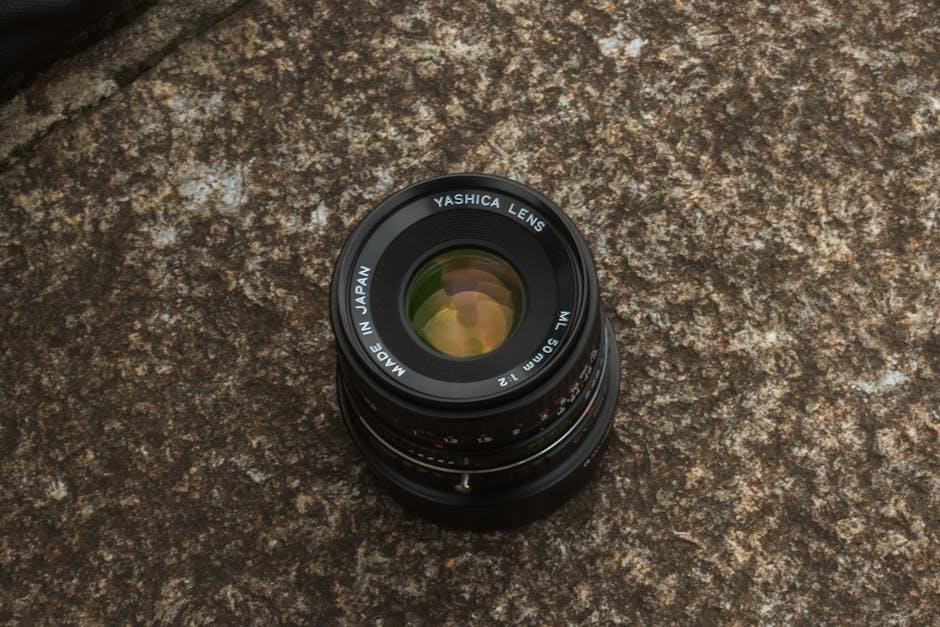
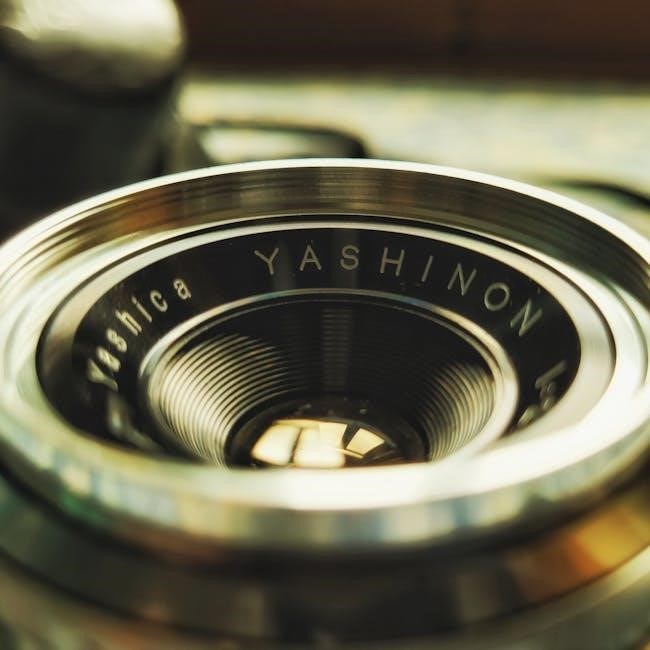
The Yashica Mat 124G is equipped with a high-quality Yashinon 80mm f/3․5 lens, renowned for its sharpness and pleasing rendering․ This lens is constructed with 4 elements arranged in 3 groups, a design contributing to excellent image quality and minimizing aberrations․
It’s a fixed lens, meaning it’s not interchangeable, but its performance is well-suited for medium format photography․ The lens provides a normal field of view equivalent to approximately 50mm on a 35mm camera․
Users often praise the Yashinon lens for its color rendition and contrast․ While not the fastest lens available, f/3․5 is adequate for many shooting situations, especially when paired with a tripod or in well-lit environments․ The lens is a key component of the camera’s overall image quality․
Shutter System: Copal-SV
The Yashica Mat 124G utilizes a reliable Copal-SV leaf shutter system, a hallmark of quality in medium format cameras․ This shutter offers a versatile range of speeds, spanning from 1 second to 1/500th of a second, alongside a Bulb (B) setting for long exposures․
The Copal-SV is known for its accuracy and smooth operation․ It also incorporates a built-in self-timer, allowing for delayed exposures․ A crucial feature is the MX flash synchronizer selector, enabling compatibility with various flash units․
Furthermore, the shutter includes a locking device, preventing accidental firing during film loading or transport․ This robust system contributes significantly to the camera’s dependability and creative control․
Film Format Compatibility (120 & 220)
The Yashica Mat 124G demonstrates impressive versatility by accepting both 120 and 220 film formats․ Utilizing 120 film yields 12 exposures per roll, while 220 film doubles that capacity to 24 exposures, making it ideal for extended shooting sessions․
This compatibility provides photographers with flexibility in choosing their preferred film type based on availability and shooting needs․ The camera’s design accommodates both formats seamlessly, ensuring proper film advance and exposure control․
Understanding the differences between 120 and 220 film is crucial for correct loading and achieving optimal results with the Yashica Mat 124G․

Operating Instructions
Mastering the Yashica Mat 124G involves precise film loading, aperture/shutter speed settings, and focusing techniques․ Utilize the self-timer and understand the MX selector․
Loading and Unloading Film
Loading film into the Yashica Mat 124G requires careful attention․ Open the back cover using the latch and insert either 120 or 220 film․ Ensure the film leader is securely attached to the take-up spool․ Advance the film using the winding knob, observing the film counter to confirm proper advancement;
The camera accepts both 120 (12 exposures) and 220 (24 exposures) film formats․ When using 220 film, a film spacer is not required․ To unload, release the film by pressing the film release button, then carefully rewind the film back onto the supply spool using the rewind crank․ Once fully rewound, open the back and remove the film cassette․
Always load and unload film in subdued light to prevent light leaks․
Setting Aperture and Shutter Speed
The Yashica Mat 124G utilizes a Copal-SV shutter system and a Yashinon 80mm f/3․5 lens․ Aperture is adjusted via the aperture ring on the taking lens, controlling the amount of light entering the camera – lower f-numbers (like f/3․5) allow more light, creating a shallow depth of field․ Higher f-numbers (like f/22) allow less light, increasing depth of field․
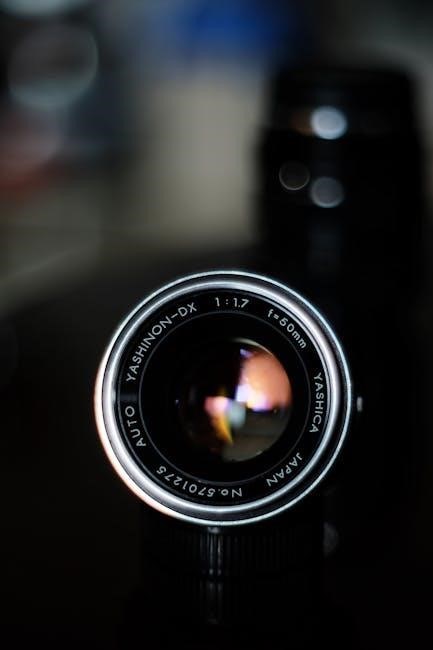
Shutter speed is set using the shutter speed dial, ranging from 1 second to 1/500th of a second, plus a Bulb (B) setting for long exposures․ Faster shutter speeds freeze motion, while slower speeds allow more light and can create motion blur․ Proper exposure requires balancing aperture and shutter speed based on lighting conditions․
Remember to consider reciprocity failure for long exposures․
Focusing Techniques
The Yashica Mat 124G employs a traditional ground glass focusing system․ Observe the image projected onto the ground glass screen – sharpness indicates accurate focus․ Rotate the focusing knob on the taking lens until the desired subject appears crisp and clear․ Pay close attention to parallax error, especially at closer distances; the viewing lens and taking lens are slightly offset․
Split-image rangefinder aids precise focusing․ Align the split image in the center of the viewfinder for optimal sharpness․ For distant subjects, use the fine focus adjustment for critical accuracy․ Practice is key to mastering the technique and achieving consistently sharp images with this classic TLR․
Ensure proper eye relief for clear viewing․
Using the Self-Timer
The Yashica Mat 124G features a built-in self-timer mechanism․ Located near the shutter release, activate it by moving the lever to the “S” position․ This initiates a delay before the shutter fires, allowing you to join the photograph․ The timer duration is approximately 10 seconds, providing ample time to compose yourself within the frame․
After activating, return the lever to the “B” or “M” position to disable․ Ensure the camera is stable on a tripod or firm surface to prevent blur during the self-timer operation․ The MX selector and shutter locking device do not interfere with the self-timer function․ Practice using the self-timer to become familiar with its timing․
Maintenance and Repair
Regular cleaning, meter adjustments, and mechanical checks are vital․ Troubleshooting guides address common issues, while service manuals offer detailed repair instructions and parts lists․
Basic Cleaning Procedures
Maintaining your Yashica Mat 124G involves gentle cleaning practices․ Begin by using a soft brush to remove dust and debris from the camera body, lens elements, and film chamber․
For lens cleaning, employ a specialized lens cleaning solution and microfiber cloth․ Avoid harsh chemicals or abrasive materials that could damage the coating․
The film chamber should be carefully brushed to eliminate any film particles or dust․ Inspect the film rails for smoothness and clean if necessary․
The viewing screen can be cleaned with a blower or a very soft cloth․ Avoid applying pressure, as it’s delicate․
Regularly check and clean the shutter curtains for dust accumulation․ Proper cleaning ensures optimal camera performance and longevity․
Meter Setup and Adjustments
The Yashica Mat 124G’s meter requires occasional setup and adjustments for accurate exposure readings․ The service manual details procedures for checking and calibrating the meter’s responsiveness to light․
Initial setup involves verifying the meter’s accuracy against a known light source․ Adjustments are made using small screws within the meter compartment, accessible after removing the camera’s back cover;
Carefully follow the service manual’s instructions to avoid damaging the delicate meter components․ Incorrect adjustments can lead to inaccurate exposure and compromised images․
Regular checks are recommended, especially after battery replacement or prolonged storage․ Maintaining a properly calibrated meter ensures consistent and reliable exposure control․
The 8-page service manual provides detailed guidance on these adjustments․
Mechanical Checks and Adjustments
Regular mechanical checks are crucial for maintaining the Yashica Mat 124G’s smooth operation․ The service manual outlines procedures for inspecting and adjusting key components, ensuring optimal performance and longevity․
Focusing accuracy should be verified by checking the rangefinder alignment․ Adjustments can be made using screws located within the focusing mechanism, as detailed in the manual․
Shutter speeds require periodic testing to ensure accuracy․ Any discrepancies should be addressed by carefully adjusting the shutter timing screws․
The film advance and rewind mechanisms should be checked for smooth operation․ Lubrication may be necessary to prevent sticking or binding․

The 8-page service manual provides detailed guidance on these mechanical adjustments․
Troubleshooting Common Issues
Several common issues can arise with the Yashica Mat 124G, but many are easily resolved with basic troubleshooting․ A stuck shutter is often caused by a dry shutter mechanism, requiring careful lubrication – avoid over-lubrication․
Metering inaccuracies can stem from aging selenium cells or incorrect meter adjustments․ Refer to the service manual for meter setup procedures․
Film winding problems may indicate issues with the film advance gear or take-up spool․ Inspect these components for damage or obstruction․
Focusing issues can be traced to rangefinder misalignment․ The service manual details the alignment process․
Consult online forums for shared experiences and solutions to less common problems․
Service Manual Information
The Yashica Mat 124G service manual is concise, spanning 8 pages․ It details meter adjustments, mechanical checks, and assembly charts for repair purposes․
Download is available post-payment, with a two-download limit․
Availability of Service Manuals
Genuine Yashica Mat 124G service manuals are readily accessible online, though often require a small purchase for download․ Several websites offer digital copies, presenting detailed service information, parts lists, and crucial assembly charts․ These resources are invaluable for those undertaking repairs or seeking a deeper understanding of the camera’s internal workings․
Currently, a downloadable service manual is available immediately after payment acceptance, typically around $3․23․ A two-download limit is enforced, but the access never expires, ensuring continued availability for future reference․ Creating a user account during checkout is recommended for a smoother download experience․ These manuals provide essential guidance for meter setup, mechanical adjustments, and troubleshooting common issues encountered with the Yashica Mat 124G․
Content of the Service Manual (8 Pages)
The Yashica Mat 124G service manual, despite its concise eight-page length, delivers focused technical information․ It primarily concentrates on essential adjustments and checks vital for maintaining optimal camera functionality․ A significant portion is dedicated to detailed instructions for meter setup and precise adjustments, ensuring accurate light readings․
Furthermore, the manual includes sections covering crucial mechanical checks and adjustments․ These guidelines assist in diagnosing and resolving common operational issues․ While not exhaustive, the manual provides a solid foundation for basic repairs and maintenance․ It’s a practical resource for enthusiasts and technicians alike, offering targeted support for the Yashica Mat 124G’s key components and systems․
Parts List and Assembly Charts
The Yashica Mat 124G service documentation includes a comprehensive parts list, essential for sourcing replacement components․ This detailed inventory facilitates repairs by identifying each part with precision, streamlining the procurement process․ Complementing the parts list are factory exploded-view assembly charts․
These charts visually depict the camera’s internal structure, illustrating how components fit together․ They are invaluable for disassembly, reassembly, and understanding the camera’s mechanics․ Access to these charts requires a small fee of $3․23 per file download, supporting the website’s continued operation․ These resources are crucial for anyone undertaking significant repairs or restoration work on the Yashica Mat 124G․
Resources and Downloads
Access online user manuals, guides, and downloadable service information in PDF format․ Explore exploded diagrams for detailed parts identification and assembly views, aiding repairs․
Online User Manuals and Guides
Numerous online resources offer comprehensive guidance for Yashica Mat 124G users․ These digital manuals provide detailed instructions on camera operation, covering everything from film loading and unloading to aperture and shutter speed settings․
Many websites host scanned copies of the original Yashica manuals, offering a convenient way to access information without needing a physical copy․ These guides often include troubleshooting tips and explanations of the camera’s features, like the MX selector for flash synchronization and the shutter locking device․
Dedicated photography forums and communities also serve as valuable resources, with experienced users sharing their knowledge and answering questions․ Exploring these platforms can provide practical insights and help you optimize image quality with your Yashica Mat 124G․
Finding these resources is often as simple as a targeted online search․
Downloadable Service Information (PDF)
Digital service manuals for the Yashica Mat 124G are readily available in PDF format․ These documents, often around 8 pages in length, provide in-depth technical information for repair and maintenance, including parts lists and assembly charts․
These PDFs detail meter setup and adjustments, crucial for accurate exposure readings․ They also cover essential mechanical checks and adjustments needed to ensure the camera functions smoothly․ Download access is typically granted immediately after payment, with a limited number of downloads permitted․
A 17-page PDF, approximately 1․00 MB in size, offers service information and a detailed parts list․ Secure download and a hassle-free experience are often guaranteed with user account creation during checkout․
These resources are invaluable for those undertaking camera repair․
Exploded Diagram Access
Factory exploded-view parts diagrams for the Yashica Mat 124G are accessible online, providing a detailed visual breakdown of the camera’s internal components․ These diagrams are essential for repair work, allowing technicians to identify and locate specific parts with precision․
Access to these diagrams typically requires a small fee, currently around $3․23 per file download, to support website maintenance․ Tutorials created by members of the Learn Camera Repair Facebook Group are available at a lower cost of $1․25․
Downloads are permitted multiple times and do not expire, ensuring continued access to the diagrams․ Creating a user account during checkout streamlines the download process and guarantees a smooth, hassle-free experience․
These diagrams are a vital resource for Yashica Mat 124G restoration․
Advanced Usage
Explore flash synchronization with the MX selector, utilize the shutter locking device for long exposures, and optimize image quality for exceptional results with your Yashica Mat 124G․
Flash Synchronization (MX Selector)
The Yashica Mat 124G features an MX selector for flash synchronization, offering versatility in lighting conditions․ This selector allows compatibility with different flash units and synchronization methods․ Understanding its operation is crucial for achieving properly exposed images when using flash․
The MX selector offers multiple settings: ‘M’ for M-sync (bulb setting), ‘X’ for X-sync (electronic flash), and sometimes an additional setting for older flashbulbs․ X-sync ensures the flash fires at the correct moment during the shutter’s exposure, preventing dark or uneven illumination․ Always consult your flash unit’s manual to confirm compatibility and proper settings before use․ Incorrect settings can lead to underexposure or a portion of the flash being cut off in the image․
Proper flash synchronization requires careful coordination between the camera’s MX selector and the flash unit’s settings․ Experimentation and testing are recommended to master this feature and achieve desired results․
Shutter Locking Device
The Yashica Mat 124G incorporates a shutter locking device, a valuable feature for preventing accidental exposures during film loading, unloading, or extended periods of non-use․ This mechanism safeguards against wasted film and ensures intentional image capture․
The shutter lock is typically activated by a lever or switch located near the shutter release․ When engaged, it physically prevents the shutter from firing, regardless of the shutter speed setting or the operation of the self-timer․ Always confirm the shutter lock is disengaged before attempting to take a photograph․
Regularly checking the functionality of the shutter lock is recommended as part of routine camera maintenance․ A properly functioning lock provides peace of mind and protects your valuable film from unintended exposures, contributing to a more reliable shooting experience․
Optimizing Image Quality
Achieving optimal image quality with the Yashica Mat 124G relies on understanding its capabilities and employing best practices․ Utilizing high-quality film, appropriate for the lighting conditions, is paramount․ Careful metering and precise focusing are also crucial for sharp, well-exposed images․
The Yashinon 80mm f/3․5 lens delivers excellent sharpness, but stopping down to f/8 or f/11 can further enhance detail and depth of field․ Pay attention to composition and utilize the camera’s inherent stability for handheld shooting․
Proper film development is equally important; consistent processing ensures accurate color rendition and optimal contrast․ Experiment with different films and development techniques to discover your preferred aesthetic and unlock the full potential of this classic camera․
Community and Support
Connect with fellow Yashica Mat 124G users through online forums and groups for advice and repair assistance; Find services and replacement parts easily online․
Online Forums and Groups
Engaging with the Yashica Mat 124G community offers invaluable support and shared knowledge․ Numerous online forums and dedicated groups cater specifically to classic camera enthusiasts and Yashica owners․ These platforms serve as excellent resources for troubleshooting issues, exchanging repair tips, and discovering hidden functionalities of your camera․
Members frequently share experiences with maintenance, lens cleaning, and even complete overhauls․ You can find detailed discussions on meter accuracy, shutter speed consistency, and focusing techniques․
The “Learn Camera Repair” Facebook Group is particularly noteworthy, offering tutorials and a collaborative environment․ These communities are often the best place to locate hard-to-find parts or connect with experienced repair technicians willing to assist with your Yashica Mat 124G․
Repair Services
For complex issues beyond DIY repair, professional Yashica Mat 124G repair services are readily available․ While the camera is mechanically robust, age and use can necessitate expert attention, particularly for meter calibration, shutter servicing, or lens adjustments․ Several specialized camera repair shops focus on classic medium format cameras like the 124G․
Finding a reputable technician is crucial․ Online forums and community groups (mentioned previously) often host recommendations and reviews of skilled repair professionals․
Expect costs to vary depending on the extent of the repair․ A complete overhaul, including CLA (Clean, Lubricate, Adjust), can be a significant investment, but often restores the camera to optimal working condition․ Consider obtaining quotes from multiple services before committing․
Finding Replacement Parts
Sourcing replacement parts for the Yashica Mat 124G can be challenging, but not impossible․ Due to its age, original parts are becoming increasingly scarce․ However, several avenues exist for locating necessary components, ranging from online marketplaces to specialized camera parts dealers․
Exploded diagrams and parts lists (available through service manuals and online resources) are invaluable for identifying the correct part numbers․ Websites specializing in vintage camera parts often stock items specific to the 124G, though availability fluctuates․
eBay and other auction sites can yield results, but require careful scrutiny of the seller’s reputation and the part’s condition․